What Is Contract Electronics Manufacturing?
Understand service models and choose a manufacturing partner.
Read the guidePCB assembly. Box build. Supply chain.
Make your next manufacturing decision with clarity.
Practical guidance for OEMs and engineering teams—from preparing a complete RFQ to choosing the right production partner.
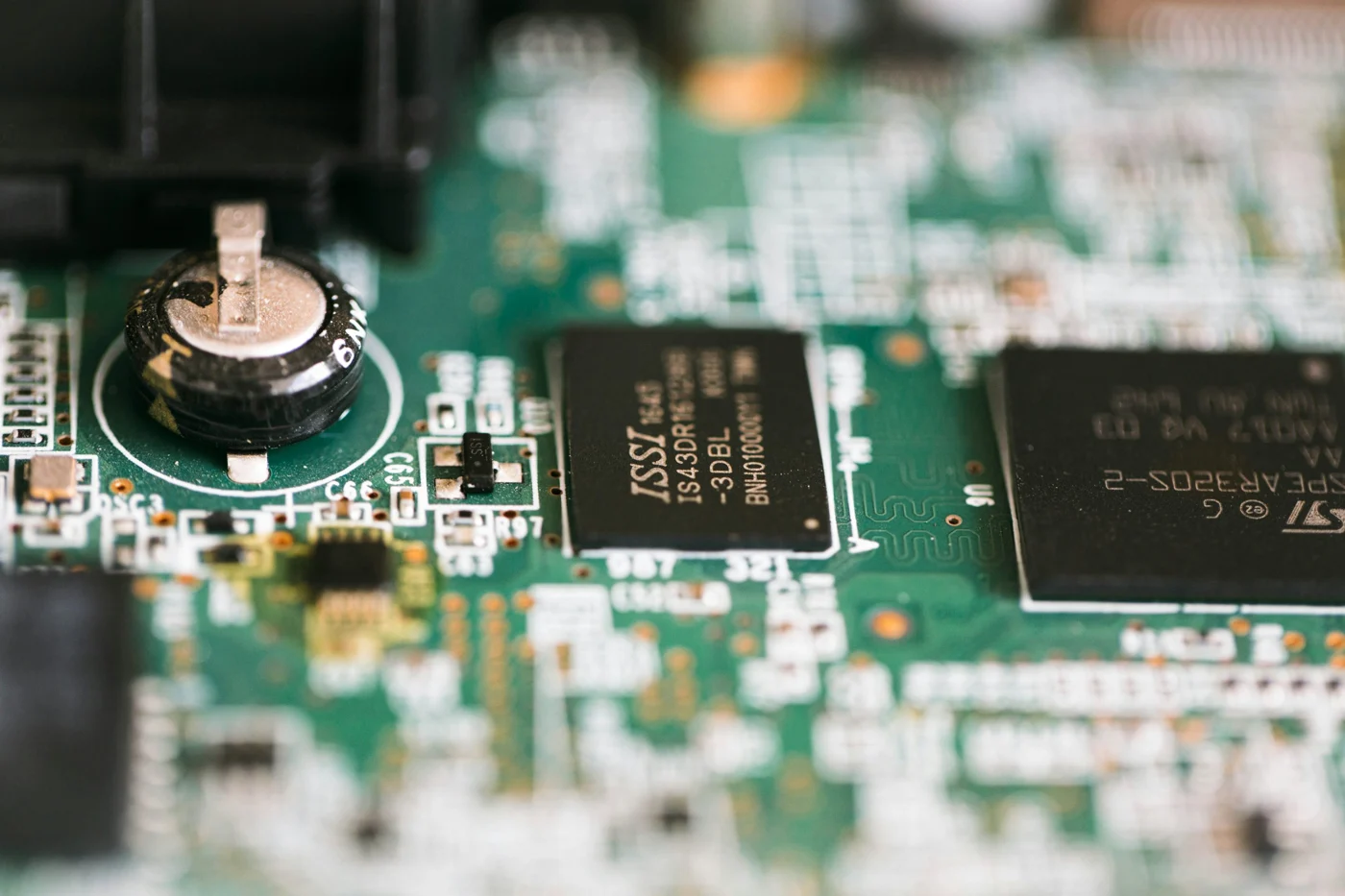
Contract electronics manufacturing brings a specialist manufacturer into your product’s journey—from components and circuit boards to a tested, finished assembly.
You retain control of the design and product requirements. The manufacturing scope defines who sources materials, assembles the product, verifies performance and manages delivery. Getting those responsibilities clear is the first step to a better build.
Understand how contract manufacturing worksExplore the processes, inputs and decisions behind each stage of your build.
SMT, through-hole and mixed-technology assembly, with inspection and test requirements agreed before production.
Explore serviceCoordinate PCB fabrication, component procurement and assembly within one controlled manufacturing package.
Explore serviceBring PCB assemblies, enclosures, cables and firmware together with documented product-level testing.
Explore serviceDefine connector orientation, wire preparation, routing and test expectations for cables and harnesses.
Explore serviceUse prototype and pilot builds to close design, process and test gaps before a production release.
Explore serviceReview manufacturer part numbers, approved alternatives, availability and lifecycle risk before committing to a build.
Explore serviceMatch visual inspection and electrical test methods to the defects, risks and functions your product needs to control.
Explore serviceReview assembly access, footprints, panelization and test provisions before boards and components are released.
Explore serviceSix stages. Defined responsibilities. Fewer unanswered questions.
Align drawings, quantities, requirements and the commercial scope.
Resolve manufacturing issues before releasing boards and materials.
Test the design and production assumptions on a controlled build.
Confirm the work instructions, test coverage and release criteria.
Build to a controlled revision with agreed inspection and traceability.
Release the records, packing requirements and support handover.
Before you plan an outsourced electronics build, agree who owns the design, materials, test coverage and change approvals. Put those decisions in the RFQ.
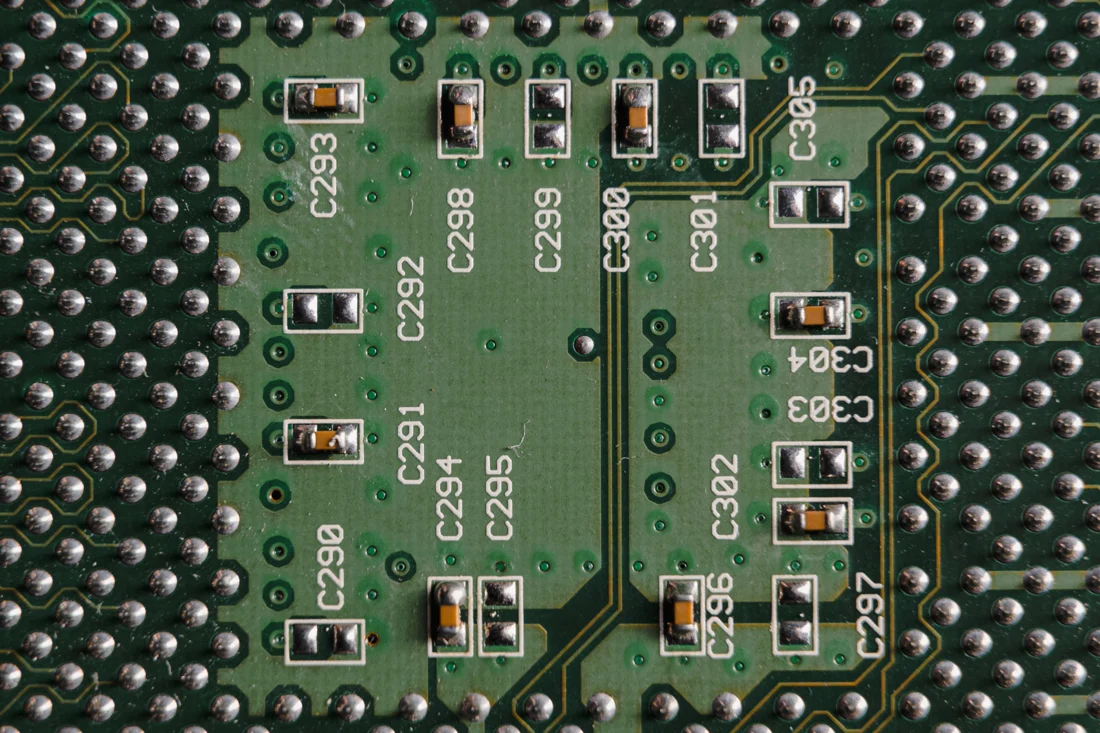
Box build connects your PCB to the enclosure, wiring, firmware and final test. Every interface needs an owner—and a clear acceptance criterion.
Understand how box build assembly works from enclosure to final test before deciding which steps belong in your manufacturing scope.
Start with your operating environment, compliance needs and expected product lifecycle.
Traceability, controlled change and verification.
02Process consistency across the product lifecycle.
03Electronics built around the operating environment.
04Configuration discipline and documented evidence.
05Signal performance and testable assemblies.
06Connect hardware, firmware and provisioning.
07Consistent assembly, usability and presentation.
08Thermal and electrical performance by design.
09Integrated control, sensing and motion.
10Document the complete operating envelope.
The answer depends on where your team creates value, the control you need and the capacity you can support.
Compare manufacturing models| CONSIDERATION | IN-HOUSE | CONTRACT PARTNER |
|---|---|---|
| Capital | Equipment, facilities and staffing | Project setup, tooling and unit cost |
| Control | Direct control of daily production | Control through specifications and agreements |
| Capacity | Depends on your installed capacity | Depends on supplier capability and availability |
| Expertise | Develop and retain internally | Access established process and sourcing teams |
| Best fit | Manufacturing is a core capability | You need specialist processes or flexible capacity |
Useful documents for the work before the work. Prepare your package, review your design and evaluate suppliers.
All resources & toolsPut the right files and requirements in your quote package.
An editable structure for parts, sourcing and alternates.
Review assembly, test access and production documentation.
Compare manufacturers using evidence and weighted criteria.
Understand service models and choose a manufacturing partner.
Read the guideMake design decisions that translate into reliable assemblies.
Read the guideSeparate material, conversion and one-time costs.
Read the guideContract electronics manufacturing is an arrangement in which an OEM commissions a specialist manufacturer to build electronic assemblies or products to the OEM’s design and specifications. The scope can include PCB assembly, component sourcing, cables, enclosures, programming and test.
An OEM owns the product it brings to market. A CEM builds to a customer’s specification. EMS describes a broader range of electronics manufacturing services, often including sourcing and logistics. An ODM also provides product design. Actual responsibilities should always be defined in the contract.
Start with a revision-controlled BOM, PCB fabrication data, placement files, assembly drawings, required quantities and a target schedule. Add programming instructions, test requirements and enclosure or harness drawings when they are part of the build.
Yes. Specify the prototype quantity, the purpose of the build and the expected follow-on demand. Setup, tooling and test development can make a small run’s unit cost different from a repeat production order. Availability and commercial terms depend on the project review.
Component availability, engineering review, PCB fabrication, tooling, test development and production capacity all affect the schedule. Ask for a milestone plan and distinguish material lead time from assembly time. A target date is not a confirmed delivery commitment.
Check relevant process capability, quality-system scope, traceability, test coverage, material sourcing and change control. Request evidence from comparable projects and agree ownership of tooling, test data and design information before placing an order.
Start with your project scope and the decisions you need to make. Share files through the full inquiry form when your package is ready.
Submit a detailed RFQ with files